

Dubai’s real estate sector has long been a beacon of innovation, with its towering skyscrapers and ambitious developments. As we move further into 2025, artificial intelligence (AI) is emerging as a transformative force, influencing everything from property valuations to customer interactions. For seasoned real estate companies in Dubai, understanding AI’s impact isn’t just advantageous—it’s essential for staying competitive in a market that’s projected to see continued growth, with Q3 2025 sales reaching a record AED 170.7 billion.
This blog explores key areas where AI is making waves, offering insights tailored for established players looking to adapt and thrive.
AI in Property Valuation and Predictive Analytics
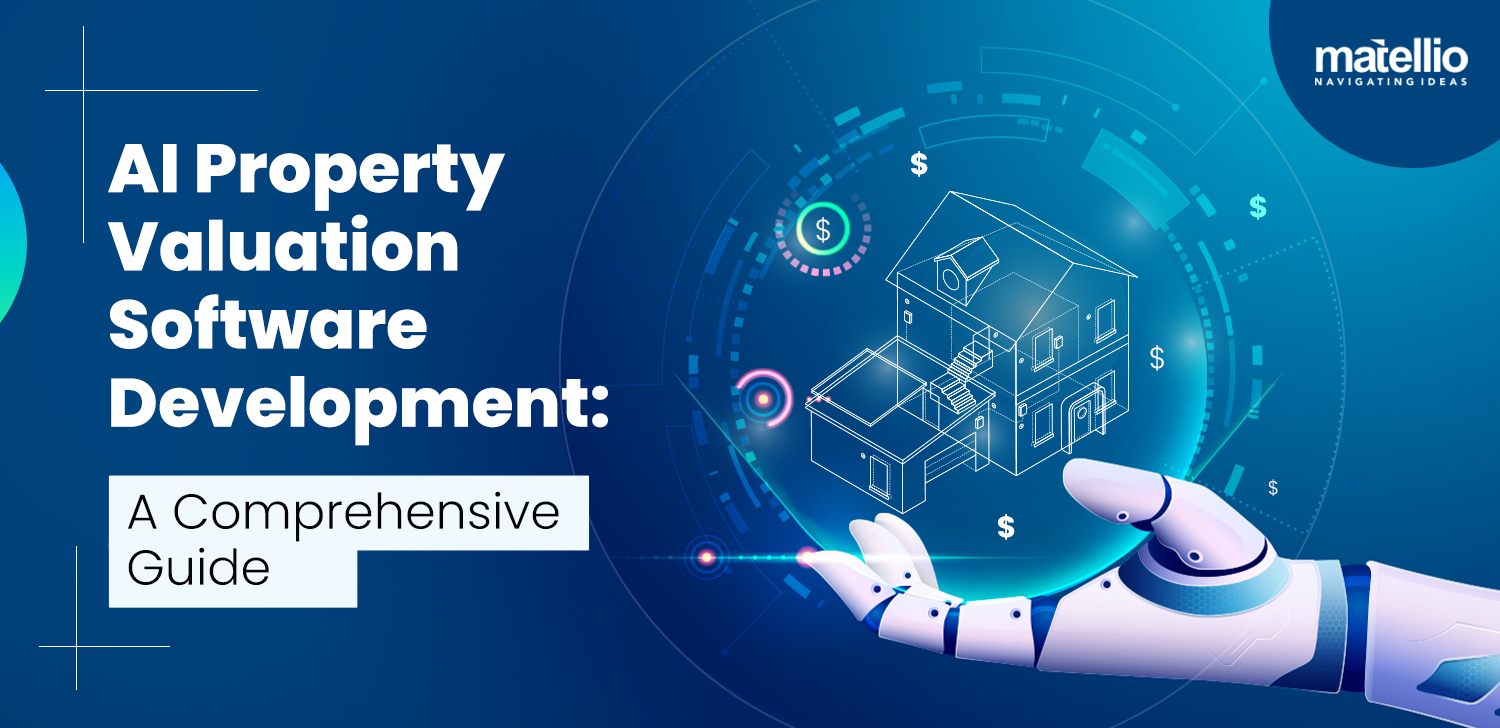
AI-driven tools are revolutionizing property valuations with data analytics.
One of the most immediate impacts of AI is in property valuation, where machine learning algorithms analyze vast datasets—including historical sales, market trends, and even socioeconomic factors—to provide accurate, real-time appraisals. In Dubai, AI tools are automating valuations, predicting price fluctuations, and forecasting ROI with unprecedented precision. This shift allows companies to offer clients data-backed insights, such as potential appreciation in high-growth areas like Dubai Hills or Palm Jumeirah.
Predictive analytics extends beyond valuation; it helps forecast market trends by processing rental data, location analytics, and economic indicators. For instance, AI can identify emerging hotspots or warn of oversupply risks, enabling seasoned firms to advise investors more effectively. As Dubai’s market continues to attract millennial buyers through tech-savvy approaches, integrating these tools can reduce operational costs and boost investor confidence.
Enhancing Customer Experience with AI

Virtual reality tours powered by AI are changing how buyers explore properties remotely.
AI is personalizing the buyer journey in ways that were once unimaginable. Generative AI, for example, creates tailored property recommendations based on user preferences, search history, and behavior patterns. In Dubai, where international buyers dominate, this means faster matches and higher satisfaction rates.
Chatbots and virtual assistants handle inquiries 24/7, qualifying leads and scheduling viewings without human intervention. The Dubai Land Department has launched AI-powered tools, including a rental heat map and real-time transaction dashboards, which enhance transparency and efficiency for all stakeholders. For seasoned companies, adopting these can streamline operations, allowing agents to focus on high-value closings rather than routine tasks.
Virtual tours, augmented by AI, let buyers explore properties remotely, complete with interactive elements like furniture staging or neighborhood simulations. This is particularly useful in Dubai’s fast-paced market, where time-sensitive decisions are common.
AI in Marketing and Sales Strategies
AI is revolutionizing marketing by generating compelling property descriptions, optimizing ad placements, and analyzing buyer sentiment from social media and reviews. In 2025, AI voice agents are gaining traction for sales calls, handling initial outreach and even negotiations in some cases.
For Dubai’s real estate firms, this means more targeted campaigns that resonate with tech-savvy demographics. AI tracks search patterns and market shifts, helping agents guide a new generation of buyers who rely on data-driven decisions. Companies embracing AI see faster transactions and better property matches, drawing in younger investors and sustaining the city’s property boom.
Smart Property Management and Operations
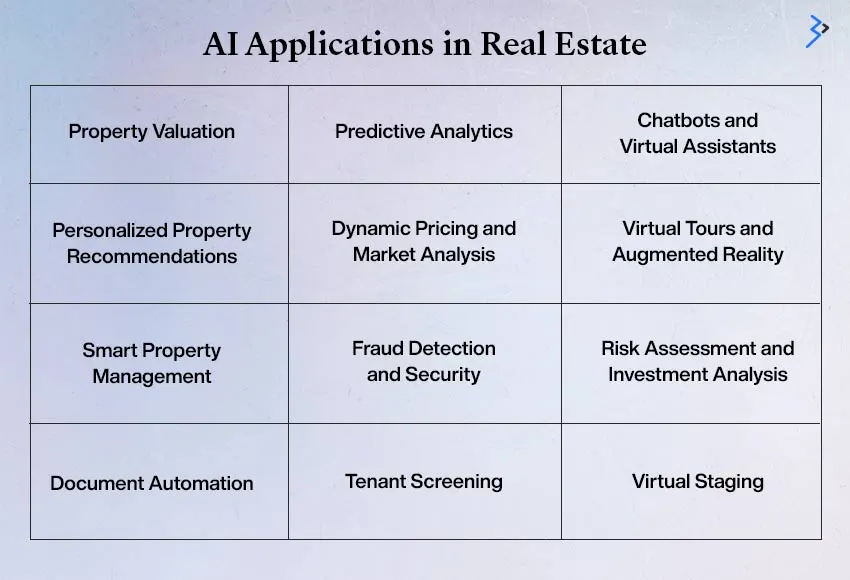
A overview of various AI applications in the real estate sector.
AI extends into property management through smart buildings integrated with IoT devices. Predictive maintenance, energy optimization, and tenant screening are automated, reducing costs and improving retention. In Dubai, where sustainability is a priority, AI helps lower carbon footprints while increasing property values.
Fraud detection and risk assessment are bolstered by AI, scanning documents and flagging anomalies to ensure secure transactions. This is crucial in a market with high-value deals and international players.
Regulatory Landscape and Ethical Considerations in Dubai
Dubai’s government is proactive in AI adoption, with over 800 AI companies operating in the emirate and initiatives like the UAE AI Strategy 2031 fostering innovation. The Dubai Land Department’s partnerships with Google Cloud and Microsoft for AI tools underscore this commitment.
However, ethical concerns such as data privacy and bias in algorithms must be addressed. Seasoned companies should ensure compliance with VARA regulations, especially in tokenized real estate, where AI and blockchain intersect to digitize assets worth trillions.
Challenges and Risks
While AI offers immense potential, challenges include integration costs, skill gaps among staff, and over-reliance on technology. Human elements like reading buyer psychology remain irreplaceable. Cybersecurity risks also loom, given the sensitive data involved.
To mitigate these, companies should invest in training and hybrid models where AI augments human expertise.
Adapting and Thriving in the AI Era
For established real estate firms in Dubai, the key is to view AI as a partner, not a threat. Start by piloting tools like AI analytics platforms or virtual staging software. Collaborate with tech providers and leverage government incentives to stay ahead.
As AI continues to fuel Dubai’s property surge—drawing in global investors and enhancing ROI—those who adapt will lead the market into a more efficient, innovative future.
In summary, AI isn’t just changing the game; it’s redefining it. By embracing these technologies, seasoned companies can unlock new opportunities in one of the world’s most dynamic real estate markets.